Amsterdammer · week 42
Fred Oosting (76): sixty years on the Waterlooplein, from old mops to tourist souvenirs
He was fifteen when he first went into the trade with his father. Sixty years later Fred Oosting said goodbye to his market stall on the Waterlooplein. He watched Amsterdam change from a city where people bought second-hand goods because they needed them into a city where tourists stroll around the market for fun. His life tells the story of a vanished piece of Amsterdam.
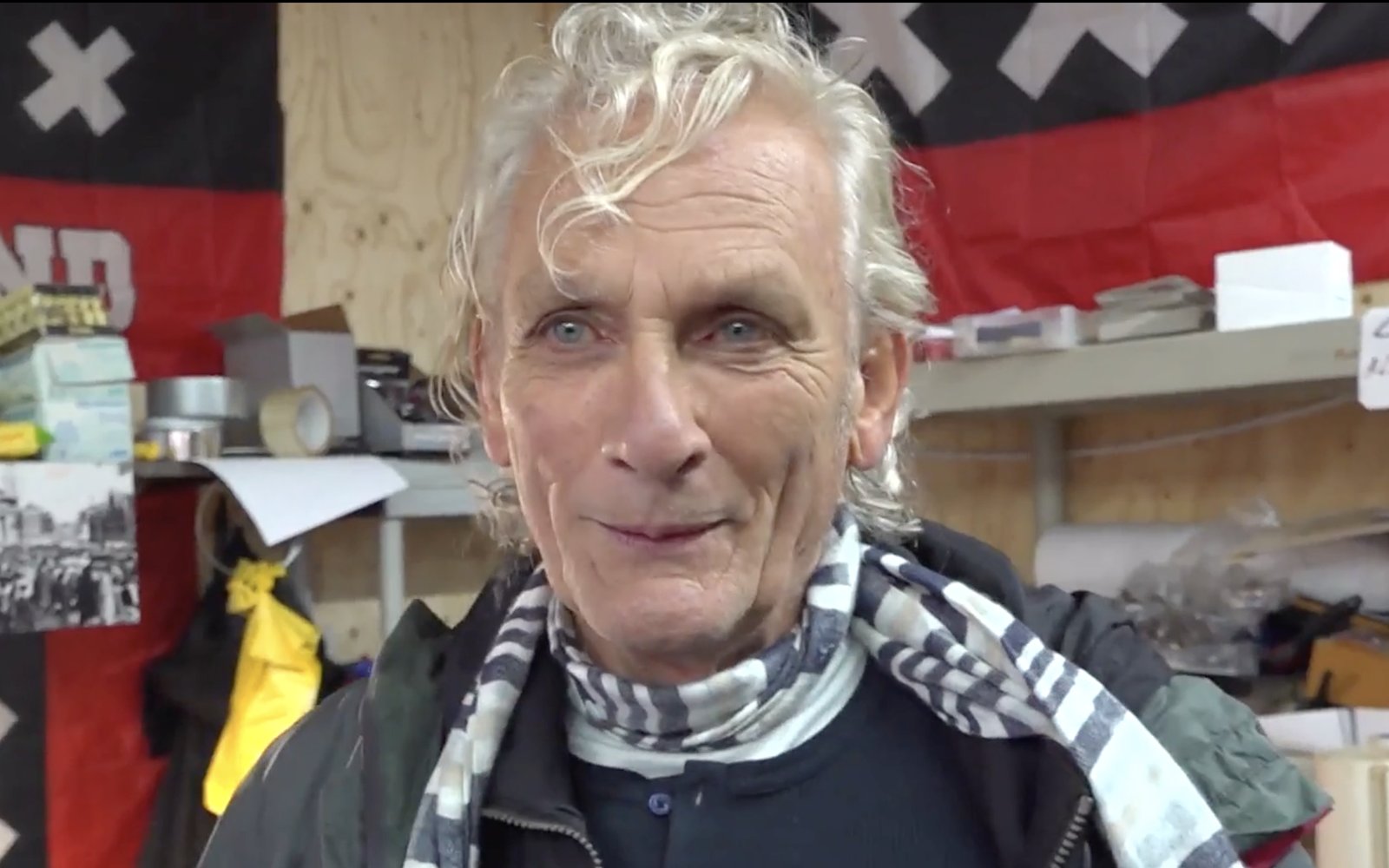
A school exercise book and twenty guilders
It is 7 June 1965. A fifteen-year-old boy is at the start of his working life. His name is Fred Oosting. He has swapped school for his father's market trade. It is Whitsun and the market is closed. There is nothing to sell yet. But there is buying to be done.
Fred goes along to look for stock. In a simple school exercise book he writes down what they spend. Sometimes twenty guilders, sometimes thirty. He has no idea that this is the beginning of a career that will last sixty years.
In fact, in those first days he doesn't enjoy it at all. The early mornings, the hauling, the trading. Life on the market is hard work. But he stays. And over time the Waterlooplein becomes much more than his workplace.
It becomes his world.
A market where everything got a second life
Anyone visiting the Waterlooplein today sees stalls full of vintage clothing, souvenirs, old records, jewellery and second-hand goods. But the Waterlooplein of the 1960s was a different place. For many Amsterdammers the market was not a day out, but an important part of their daily lives.
People came because they needed something. A coat, a chair, a lamp, a pan or a cheap tool. Many items were used. Sometimes worn, sometimes damaged, but often still perfectly usable.
For the traders, the art was to see value in things other people no longer wanted. And Fred became good at that. He sold house contents and all kinds of second-hand goods. Sometimes that meant clearing out entire homes.
It was heavy work. Collecting goods, sorting, transporting, laying them out and then trying to sell them. But there was also something beautiful in that trade. What had become surplus to one Amsterdammer could be exactly what another was looking for.
An old mop, for example. Fred told AT5 in 2025 that in the old days someone could buy a used mop in the morning and only come to collect it after work. That may sound odd today.
But it shows how the market worked. The buyer knew the trader. The trader trusted the buyer. And the goods had a practical value. The market was not a backdrop to the city. It was part of everyday life.
The son of a market trader
Fred did not simply set up a business somewhere. He stepped into his father's world. The stall was part of a family history. You did not learn the trade from books, but by watching, listening and above all by doing a great deal.
You had to know what something was worth. You had to be able to judge quickly whether someone was really interested. And you had to be able to take a knock. Because a market trader has no certainty about his income. The weather can turn against you, customers can stay away and some days hardly anything is sold.
Yet Fred kept coming back, year after year. His best friend Frans, who has known him since childhood, said at Fred's farewell that he had actually always expected his friend to keep going for a long time.
Frans even called him the best market trader there is. Whether Fred would describe himself that way is another matter. In any case he did not give the impression of someone who likes being the centre of attention.
For him it was about the trade, the people and the familiar routine.
The Waterlooplein as one big family
Anyone who stands on the same market for sixty years gets to know an enormous number of people. Not only customers, but also colleagues, neighbours, suppliers and passers-by. Some come every week. Others disappear for a while and turn up again years later.
On the Waterlooplein, friendships form that often last a lifetime. Fred was an example of that. His former neighbour Astrid stood next to him with her own stall for 25 years. She remembered how Fred helped her set up.
To an outsider that may seem a given, but setting up a market stall is heavy work. Hauling tables, unloading goods, arranging the display. And afterwards packing everything away again.
Fred had been doing that for decades. And he helped others with it. Astrid called herself the little princess in the men's corner. Fred was someone she could count on. Cato, too, a neighbour's girl whose parents had a stall on the market, remembered him warmly.
She regularly dropped by Fred's stall to chat and arrange his goods neatly. They are small memories. But it is precisely in them that you find the story of someone who was more than a seller. He was part of other people's daily lives.
The city changed around him
In sixty years Amsterdam changed profoundly. The city in which Fred started out as a boy was still a city of working-class families, small shops and markets where second-hand goods mattered to many households.
In the decades that followed, prosperity grew and the way people bought their things changed. Big retail chains appeared. Later came online shops and online marketplaces. For many used goods you no longer needed to go to the Waterlooplein.
You could find them on the internet. At the same time Amsterdam became ever more attractive to visitors from home and abroad. The Waterlooplein changed too. The market increasingly became a place where people came to browse, rummage and take home something fun.
That did not mean all the old trade disappeared. But the character shifted. Fred saw it happen. Where customers used to look for practical items, they now came more and more often for a souvenir or an unusual find.
That had consequences for the business. In the end Fred largely stopped selling complete house contents and switched to souvenirs. That was easier. He no longer had to clear out homes or haul heavy furniture.
But it was also an adjustment to a market that was no longer what it had been. And there was something sad in that for him. Because the trade he had grown up with was slowly losing its place.
A place where people knew each other
The Waterlooplein has a remarkable history. The square was created in 1882, when two canals were filled in, and grew into the market at the heart of Amsterdam's Jewish quarter. Before the Second World War it was a lively trading place where many Jewish market traders earned their living.
The deportation and murder of thousands of Jewish Amsterdammers during the war tore an irreparable hole in that community. After the war the market carried on, but the old Waterlooplein had changed for good.
So when Fred started there in 1965, he was stepping into a place with a history that went back much further than his own family. He then lived through sixty years of that history himself. The market changed through urban renewal, economic developments and tourism.
But what remained important to many people was the human contact. The familiar faces. The jokes between the traders. The conversations that began with the question of what something cost and ended with a story about life.
Fred belonged to that world.
A square full of remarkable people
The Waterlooplein has always brought together people you would not easily meet anywhere else. Traders, collectors, artists, local residents, curious visitors and people trying to earn a living from a small trade.
Fred saw many of those people come and go. Some colleagues became well-known faces on the square. Like Kees IJzer, the scrap-metal dealer who for years made his way across the Waterlooplein with his bakfiets, a cargo bike.
Kees collected scrap iron and copper and was known as a strong, headstrong man who had a chat with everyone. He died in July 2020. Fred was visibly affected by his death. Speaking to AT5, he remembered Kees as an exceptionally strong man who went his own way and was always there for others.
Kees's death showed how important some people can be to a market community like this. They may not have a famous name outside their own neighbourhood. But when they are gone, you notice their absence every day.
For Fred these were not stories from a history book. They were colleagues and acquaintances with whom he had shared the same square for years.
Sixty years, and then it was enough
In June 2025 Fred reached an exceptional milestone. He had stood on the Waterlooplein for exactly sixty years. Sixty years of trading. Sixty years of hauling. Sixty years of conversations, customers, colleagues and change.
He was 75 by then. And he had decided that it had been enough. At the end of June he would stop for good. That decision was not only down to his age. Fred still enjoyed the work, but the market was no longer the place where he had once started.
He had adapted for years. Sold different goods, got to know new customers and kept up with developments. But at some point it comes to an end. Sixty years is also simply a very long time.
An unexpected honour
On 7 June 2025 Fred was surprised by friends, family and colleagues. They had come together to celebrate his sixtieth anniversary. District chair Amélie Strens was also there. Fred received a special medal from the City of Amsterdam in recognition of his long-standing importance to the market.
According to Strens, he had been much more than just a businessman. He helped think about how the market worked and lent a hand when, for example, a pitch became vacant. Fred had not concerned himself only with his own stall.
He felt responsible for the square. The attention took him a little by surprise. He did not like being the centre of attention. But when he looked around and saw all those familiar faces, he also felt proud.
Proud of what he had built himself. And of what his father had once started. Sixty years earlier he had noted down the first purchases in a school exercise book. Now he stood among people for whom he had been a familiar face for a lifetime.
What remains when the market trader leaves?
To a visitor who does not know the Waterlooplein well, the disappearance of one market stall may seem a small event. There are plenty of other stalls. Things are still being sold. And tomorrow new visitors will come again.
But for the people who worked and came there for years, the departure of someone like Fred means something different. It is the disappearance of a piece of familiar Amsterdam. Because a market is not shaped only by the products sold there.
It is the people who give the place its character. The trader you have known for twenty years. The woman who sets up her stall every morning. The colleague who gives you a hand with lifting. The regular who never really buys anything, but always drops by for a chat.
For sixty years Fred was part of that daily life. Perhaps longer than most people stay with one employer, live in the same home or have the same neighbours. And all that time he watched the city change.
October 2026: a new chapter
In October 2026 it is more than a year since Fred said goodbye to his market stall. He is now about 76. For the first time since he was fifteen, he no longer has to organise his life around the rhythm of the market.
The early mornings, the trading, the hauling and the familiar faces are no longer automatically part of his working day. How he fills his days these days, we don't know. But his story remains bound up with the Waterlooplein.
Because sixty years cannot simply be erased. In that time he met thousands of people, sold countless things and saw several generations of market traders come and go. And perhaps the loveliest thing is that people remember not only what they bought from him.
Above all, they remember who he was. A man who helped. Who made time for a chat. Who knew his colleagues. And who for sixty years kept a piece of Amsterdam going.
The value of an ordinary Amsterdammer
When we think of remarkable Amsterdammers, we quickly think of artists, famous athletes, entrepreneurs or people who have achieved something exceptional. But a city's history is also made up of people who do the same work for decades.
People who don't appear on television. Who don't write books. Who don't build big companies. But who contribute every day to the life around them. Fred Oosting is one of those people. His story is not about one spectacular event.
It is about perseverance. About learning a trade from your father and staying true to it for sixty years. About knowing people and being known by people. About growing along with a city that is constantly changing. And about the moment you decide that it has been enough.
In 1965 Fred started trading as a fifteen-year-old boy with a school exercise book and a few ten-guilder notes. In 2025 he said goodbye as a man who had spent a whole life on the Waterlooplein. In between lie sixty years of Amsterdam history.
Not told by a historian or an administrator. But by a market trader who lived through it all himself. Fred Oosting shows that you don't need to be famous to earn a special place in the history of Amsterdam. Sometimes being there for sixty years, standing by your colleagues and simply staying yourself is remarkable enough.
And that makes him a remarkable Amsterdammer.
Sources
AT5 on Fred Oosting's sixtieth anniversary (7 June 2025), AT5 on the death of scrap-metal dealer Kees (July 2020), the Stadsarchief Amsterdam (Amsterdam City Archives) on market licences and NH Nieuws (De verdwenen stad, 'The Vanished City') on the history of the Waterlooplein. This portrait is based on public sources and does not contain a new interview with Fred Oosting.
Comments (0)
Log in to leave a comment.
More stories about Amsterdam
All stories →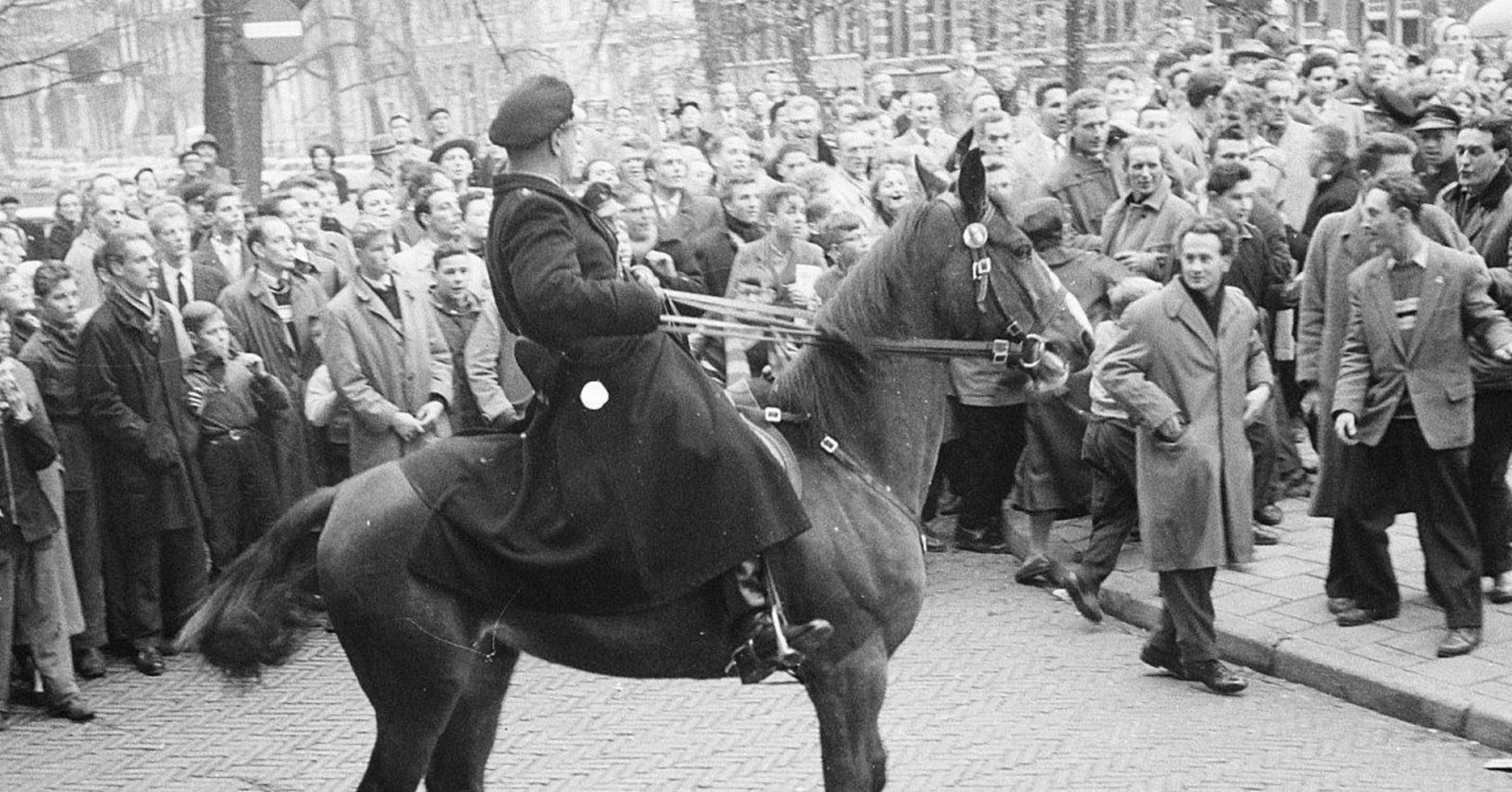
The siege of Felix Meritis: the day Amsterdammers turned on each other over a war 1,500 kilometres away
Redactie Amsterdammers.love · 17 min read
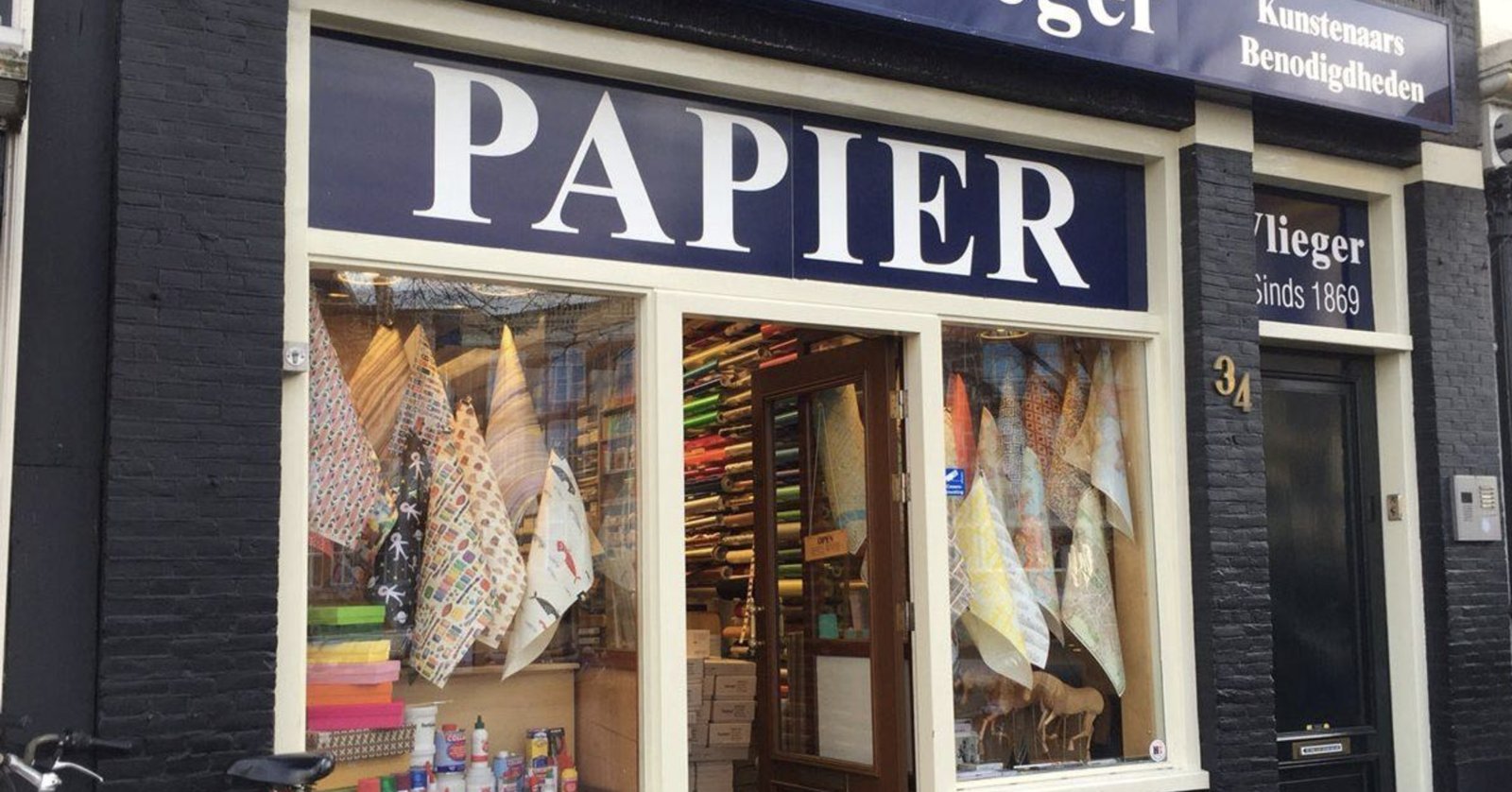
Vlieger: the Amsterdam paper shop that has refused to be ordinary for 157 years
Redactie Amsterdammers.love · 15 min read
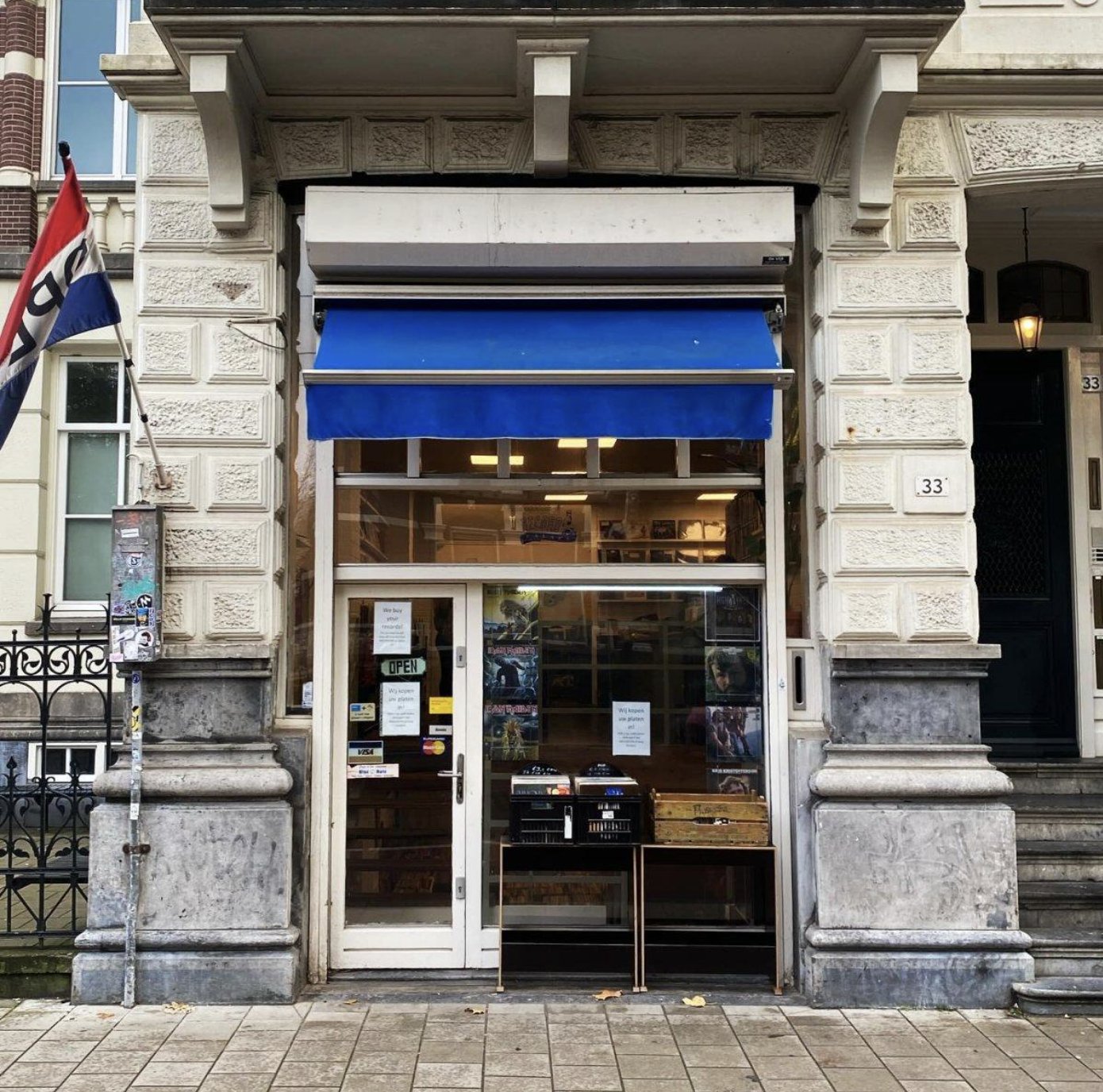
Record Palace: the Amsterdam record shop where world stars simply browse the crates
Redactie Amsterdammers.love · 16 min read