Amsterdammer · week 47
21 November 1981: the day Amsterdam saw its largest-ever peace demonstration
Between 350,000 and 420,000 people gathered on the Museumplein to protest against American cruise missiles
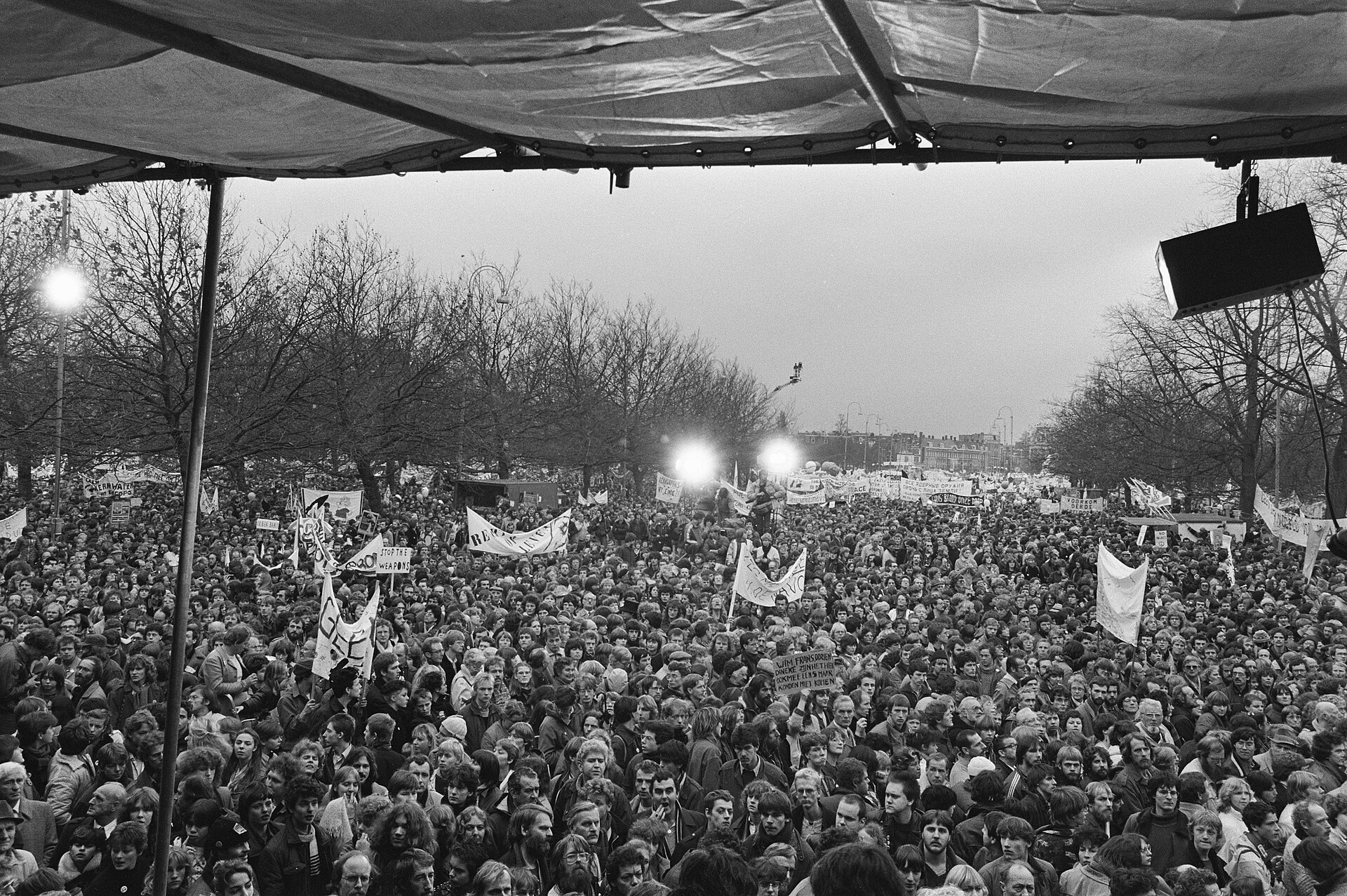
On Saturday 21 November 1981, Amsterdam's Museumplein filled with more people than the square had ever seen. They arrived by bus from across the country and in long columns from Dam Square and Vondelstraat, until the square and the surrounding streets - all the way to the Concertgebouw and Van Baerlestraat - were completely packed. Estimates from that day and the days after ranged from roughly 350,000 to more than 420,000 participants. The exact number has never been established with certainty, since no one could precisely count a crowd of that size at the time, but every source agrees this was the largest demonstration the Netherlands had ever seen.
A world gripped by fear of the bomb
The trigger lay not in Amsterdam, but in Cold War international politics. On 12 December 1979, NATO had adopted its so-called 'dual-track decision': on one hand, negotiations with the Soviet Union on arms control would begin; on the other, if those talks failed, 572 new American nuclear weapons would be placed in Western Europe. For the Netherlands, this meant the possible deployment of 48 cruise missiles at Woensdrecht air base - a choice that was seen at the time as 'rather unexpected'.
That decision came during a period when fear of nuclear war was palpable across much of Western Europe. Abroad, the term 'Hollanditis' was coined to describe the Netherlands' particularly fierce resistance to the placement of new nuclear weapons. That resistance was not new: the Interchurch Peace Council (IKV) had been founded back in 1966 and, from 1977, ran a campaign under the slogan 'Help rid the world of nuclear weapons, starting in the Netherlands'. Churches, trade unions, left-wing parties and a broad peace movement joined forces in the years that followed, with the IKV as one of the main driving forces.
Museumplein fills up
On that Saturday in November 1981, years of organizing came together on the Museumplein. Politicians and union leaders spoke from the stage; archival photos from that day show, among others, D66 politician Laurens Jan Brinkhorst, Labour (PvdA) politician Max van den Berg and FNV trade union leader Wim Kok, alongside Amsterdam's PvdA alderman Jan Schaefer. The mood was one of broad public outrage: banners reading things like 'Cheeseheads against warheads' and a life-size mock missile on the square underscored the message against the cruise missiles. Children, people dressed as Sinterklaas and ordinary families joined in too, showing how widely the protest was supported.
The political effect was swift. Under pressure from the mass protests, the Dutch cabinet postponed its final decision on deploying the cruise missiles to December 1981, while negotiations between the United States and the Soviet Union on arms control continued in Geneva.
From Amsterdam to The Hague
The 21 November 1981 demonstration turned out to be not an endpoint but the start of a new wave of protest. Partly as a result of the Amsterdam rally, the Komitee Kruisraketten Nee (KKN, Committee Cruise Missiles No) was founded in 1982, chaired by Sienie Strikwerda. On 29 October 1983 that committee organised an even larger demonstration, this time on the Malieveld in The Hague, with estimates running as high as more than 550,000 participants - including an unannounced appearance by Princess Irene. IKV secretary Mient Jan Faber himself called that demonstration 'a repeat performance, a second Amsterdam'.
In the end, American cruise missiles were never actually stationed on Dutch soil: repeated delays by successive cabinets, and not least the Intermediate-Range Nuclear Forces Treaty signed by the United States and the Soviet Union in 1987, ultimately made deployment unnecessary. The Dutch government has always maintained that American nuclear weapons were never present on Dutch soil, although a leaked US diplomatic document from 2014 and a leaked NATO report from 2019 pointed to the presence of nuclear weapons at Volkel air base - a matter long described in the Netherlands as an 'open secret'.
Why this day still matters
What happened on the Museumplein on 21 November 1981 was more than a single day of protest. It was the moment the Dutch peace movement demonstrated just how deep public resistance to nuclear armament ran, setting in motion a process that would dominate Dutch politics well into the 1980s. For a city that has often been the backdrop to major social movements, this was one of the moments when Amsterdam - quite literally - became the centre of a national debate that touched the entire Cold War.
Sources
- IsGeschiedenis, '[Demonstratie tegen de plaatsing van kernwapens](https://isgeschiedenis.nl/nieuws/demonstratie-tegen-de-plaatsing-van-kernwapens)' - Historiek, '[Massademonstratie tegen kernwapens, Den Haag 1983](https://historiek.net/massademonstratie-kernwapens-den-haag-1983/159833/)' - NPO/Andere Tijden via Geschiedenis.nl, '[De avond van de Bom](https://geschiedenis.nl/nieuws/artikel/1525/de-avond-van-de-bom)' - Nationaal Archief / Anefo collection (photographer Rob C. Croes), via Wikimedia Commons, item number 931-8169, dated 21 November 1981
Nieuwsbrief
Krijg een unieke kijk van en over Amsterdam in je mailbox
De laatste verhalen, en af en toe een verrassing uit het archief.
Comments (0)
Log in to leave a comment.
More stories about Amsterdam
All stories →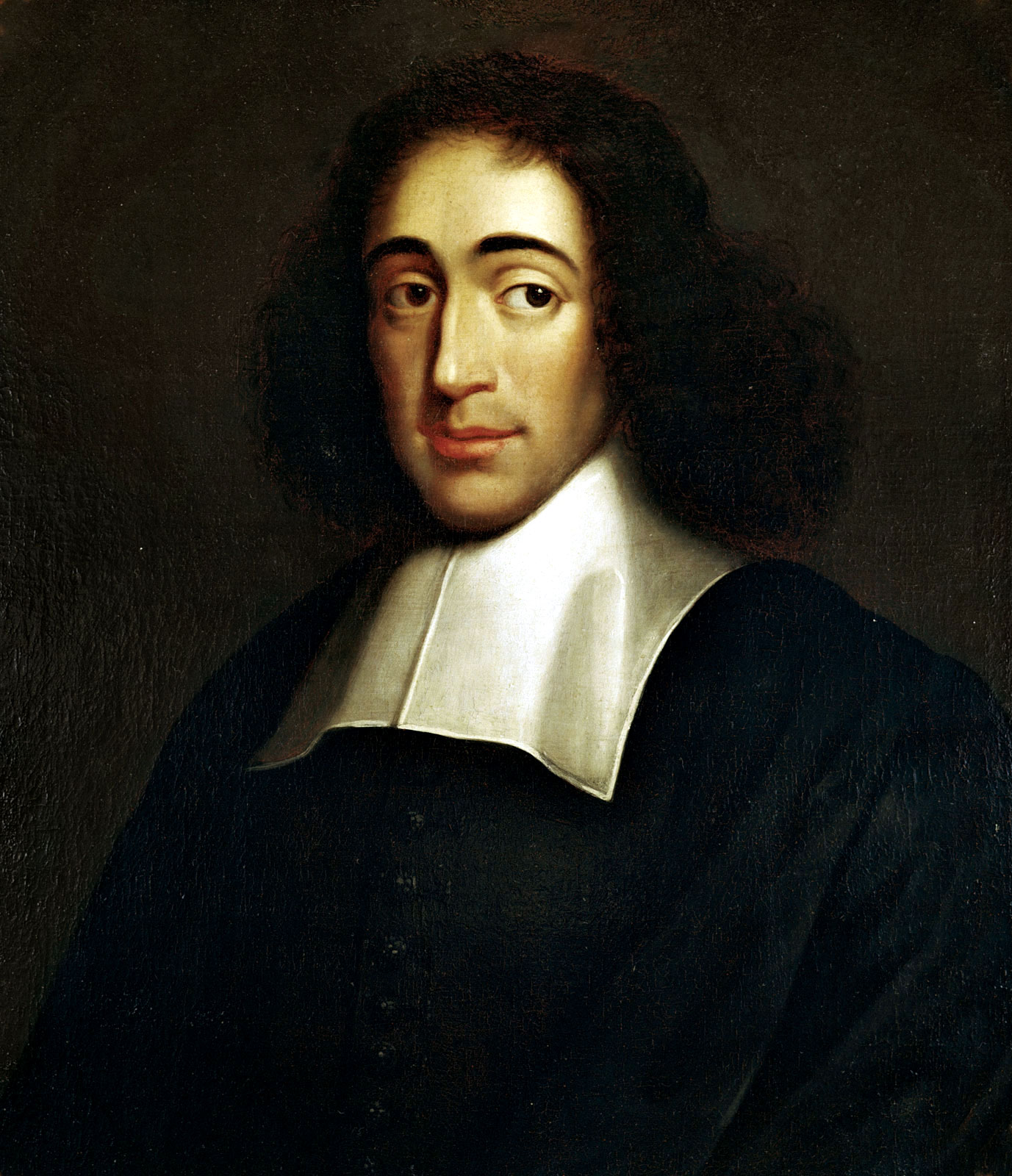
Spinoza: the boy from the Houtgracht excommunicated by his own community
Redactie Amsterdammers.love · 13 min read
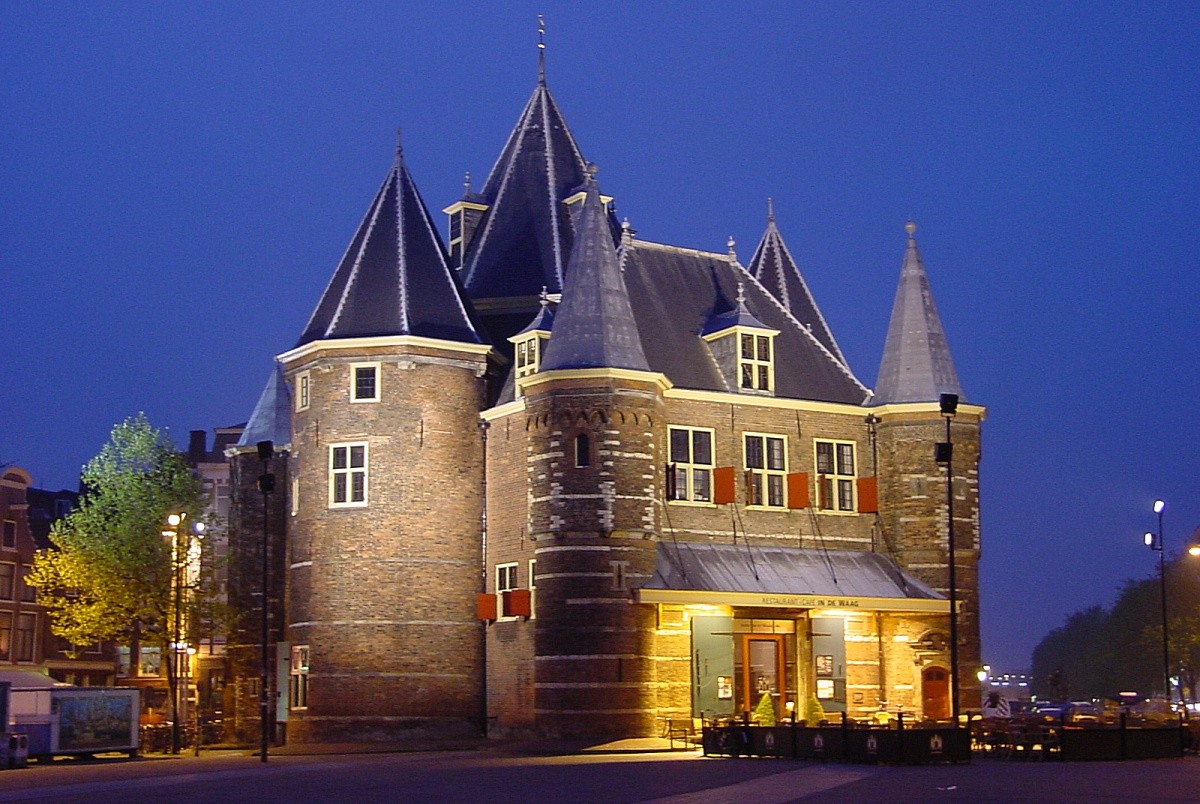
The Waag: the city gate that became a weigh house, a dissection theatre and almost a cathedral
Redactie Amsterdammers.love · 14 min read
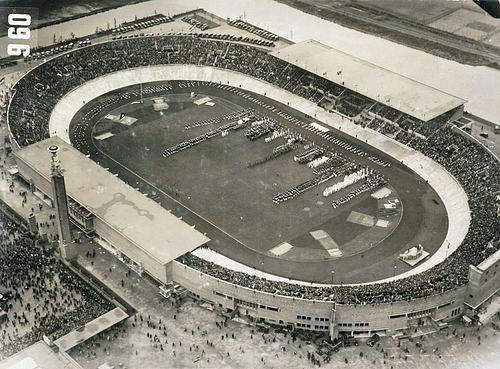
The 1928 Olympic Games: how Amsterdam invented the eternal flame
Redactie Amsterdammers.love · 11 min read
No home, no coronation: the day Amsterdam became a battlefield
Redactie Amsterdammers.love · 17 min read
The Eel Riot of 1886: how a forbidden game in the Jordaan ended in 26 deaths
Redactie Amsterdammers.love · 14 min read

Bet van Beeren (1902–1967): the queen of the Zeedijk who made her own rules
Redactie Amsterdammers.love · 16 min read